October Dental Health Tips for Cascade’s Pets and Livestock

October Dental Health Tips for Cascade’s Pets and Livestock
October in Cascade brings crisp air, beautiful fall colors, and a reminder for both pet owners and producers to focus on dental health for all animals under their care. Whether you share your home with a playful dog or manage a thriving cattle operation, understanding the importance of oral health is vital. At Cascade Veterinary Clinic, located at 935 Main Street, Cascade, ID 83611, our veterinary team is dedicated to providing comprehensive dental care for both pets and livestock throughout Cascade and surrounding communities. This October, we are sharing essential dental health tips and insights, from recognizing early warning signs of dental issues to understanding the benefits of routine cleanings and seasonal checkups.
In this post, you will learn how to spot oral health problems in both pets and livestock, discover the causes behind common dental concerns, and explore the professional treatments available at our clinic. We will also provide practical prevention strategies for both home and farm settings, so you can help ensure your animals’ comfort, wellbeing, and productivity all year long. If you are seeking guidance for dental care or need to schedule an appointment, our experienced team at Cascade Veterinary Clinic is here to support you every step of the way.
Recognizing Dental Problems in Pets and Livestock
Dental health issues can impact animals of all kinds, from the family dog to the herd in your pasture. Recognizing dental problems early is key to preventing long-term discomfort and complications. For pets, symptoms of dental issues include persistent bad breath, visible tartar buildup, red or bleeding gums, drooling, pawing at the mouth, reluctance to eat hard food, and changes in behavior such as irritability or withdrawal. Cats in particular can be prone to resorptive lesions, which may present as subtle changes in eating habits.
For livestock, dental problems may show up as difficulty chewing cud, dropping feed, weight loss, excessive salivation, or reduced productivity. Cattle and sheep with dental disease often have uneven wear on teeth, loose teeth, or even visible abscesses along the jaw. In horses, common signs include dropping feed (quidding), head tossing, resistance to the bit, or foul odor from the mouth. Recognizing these symptoms early allows for timely intervention and can make a significant difference in overall health and performance.
Why Do Dental Issues Happen in Animals?
The causes of dental disease vary depending on species and environment, but some patterns are universal. In pets, dental problems often arise from plaque buildup that mineralizes into tartar, leading to gingivitis and, eventually, periodontal disease. Diet plays a significant role; animals fed primarily soft or processed foods are at increased risk for tartar accumulation. Genetics, age, and lack of regular dental care also contribute to oral health challenges.
For livestock, natural wear of teeth is essential for maintaining proper function, but imbalances in pasture quality or feed type can lead to uneven tooth wear or sharp points that cause mouth injuries. Sheep and cattle grazing on sandy or gritty soils may experience accelerated tooth wear. In older animals, tooth loss or overgrown teeth can decrease feed efficiency and reduce overall productivity. Horses have continuously erupting teeth that require routine floating to prevent painful hooks and points from developing.
Environmental factors, such as access to appropriate forage or chewing materials, and management practices also influence dental health in all animals. Regular observation and preventive care are essential for catching issues before they progress.
Professional Dental Care: What to Expect at Cascade Veterinary Clinic
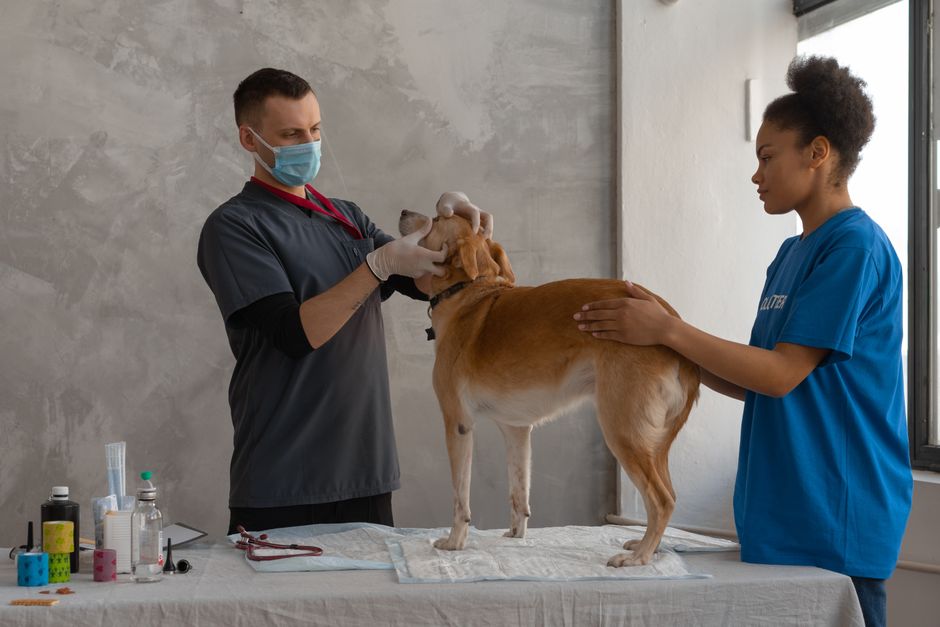
At Cascade Veterinary Clinic, our veterinarians provide advanced dental care tailored to the needs of both companion animals and livestock. For pets, a comprehensive dental examination involves a thorough assessment of the mouth, teeth, and gums, often under anesthesia for a detailed evaluation and cleaning. Professional teeth cleaning services are designed to remove tartar above and below the gumline, reducing the risk of periodontal disease. In cases where disease is already present, treatments may involve dental extractions or surgical intervention to restore comfort and function. You can learn more about our pet dentistry services and regular dental care and how they help prevent painful conditions and support long-term animal health.
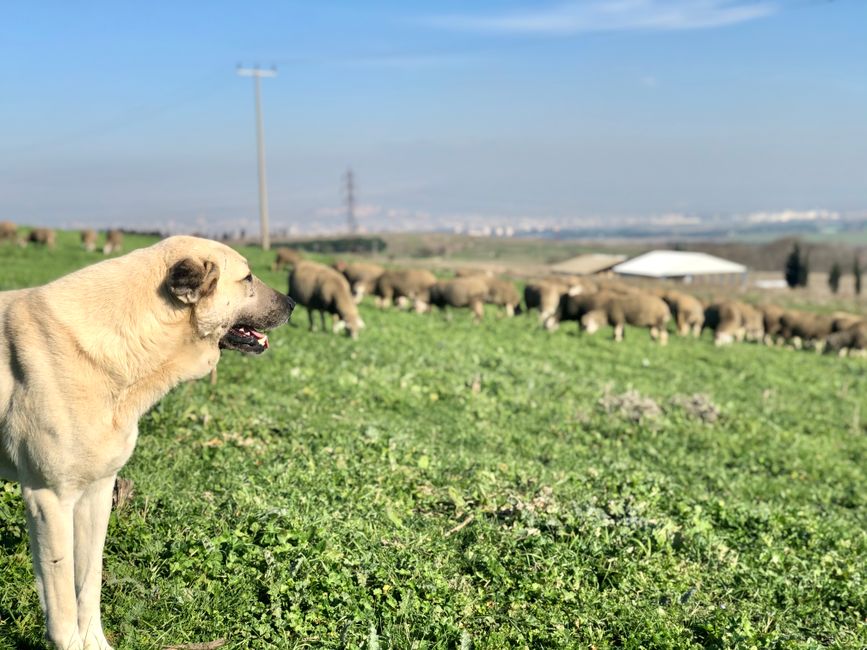
For livestock, dental exams are typically performed during routine herd health checks or when an animal shows signs of oral discomfort. Our veterinary team can address issues such as sharp enamel points, overgrown teeth, or dental abscesses. In horses, dental floats are performed to smooth sharp edges and ensure comfortable chewing. For cattle and sheep, dental checks are often incorporated into broader herd management protocols, especially as animals age or during key production milestones like breeding and weaning.
Our clinic also offers advanced diagnostics such as digital radiology and laboratory testing, which can be invaluable for diagnosing complex dental conditions. With a full range of services, from preventive cleanings to surgical treatments, we are equipped to address dental concerns for animals of all sizes and species.
Prevention and Home or Farm Care for Healthy Teeth
Preventing dental disease is a team effort that starts at home or on the farm. For pets, daily or regular tooth brushing with veterinary-approved toothpaste is one of the most effective ways to reduce plaque and tartar buildup. Dental chews, special diets, and water additives can also support oral health, but should not replace professional cleanings. Monitoring your pet’s mouth for changes such as redness, swelling, or broken teeth is important, and scheduling semi-annual exams at the clinic helps ensure small problems do not become major health issues. Our professional teeth cleaning services are focused on preventing gingivitis and supporting long-term wellness for your pets.
On the farm, prevention begins with providing appropriate forage and monitoring feed quality, as abrasive feeds can accelerate tooth wear while overly soft rations may encourage tartar buildup. For horses, routine dental floats performed by our veterinary professionals help maintain good chewing surfaces and prevent mouth sores. Regular observation for signs of dental problems, especially during feeding, allows issues to be caught early. In cattle and sheep, ensuring access to clean water and balanced nutrition supports oral health and overall productivity.
In all cases, keeping accurate health records and incorporating dental assessments into your regular animal care schedule can make a significant difference. Preventive care not only improves animal comfort but also contributes to better performance, longevity, and quality of life.
When to Schedule a Dental Checkup with the Veterinary Team
Knowing when to seek professional dental care is essential for catching problems early and avoiding complications. For pets, dental symptoms such as persistent bad breath, visible tartar, red or bleeding gums, difficulty eating, or changes in behavior should prompt a call to your veterinary clinic. Ideally, pets should have dental evaluations at least once a year, with more frequent checkups for older animals or those with a history of dental disease.
For livestock, producers should contact their veterinarian if animals are dropping feed, losing weight without explanation, showing signs of oral pain, or experiencing decreased productivity. Horses that are reluctant to accept the bit, dropping grain, or showing changes in eating behavior should have a dental exam as soon as possible. Routine herd health checks provide an excellent opportunity to assess dental status, especially before key production periods.
At Cascade Veterinary Clinic, we encourage both pet owners and producers to be proactive. If you are unsure whether your animal is due for a dental check or you notice any of the warning signs mentioned, do not hesitate to reach out. Our experienced team is here to help you protect the health and wellbeing of your animals.
Supporting Cascade’s Animals with Year-Round Dental Care
Dental health is an essential part of overall wellness for every animal, whether they are a cherished companion or a valuable member of your herd. By recognizing the signs of dental issues, understanding their causes, and taking an active role in prevention, you can help ensure your animals thrive through every season. At Cascade Veterinary Clinic, we are proud to offer comprehensive dental care, advanced treatments, and expert guidance for both pets and livestock in Cascade and the surrounding communities.
If you are searching for a "veterinarian near me" who understands the unique needs of both household pets and farm animals, our team at Cascade Veterinary Clinic is ready to assist. Schedule your animal’s dental checkup today by calling (208) 382-4590 or visiting our Cascade location. To learn more about our full range of dental services, including dental surgery for complex conditions, explore our website or speak with our veterinary professionals. Your commitment to dental health today sets the foundation for happier, healthier animals all year long.
This article is intended for informational purposes only and should not replace professional veterinary advice. If you have concerns about your animal’s dental health, contact your veterinarian for a thorough evaluation and personalized care recommendations.