Preparing Pets and Livestock for Cascade’s Chilly October Weather
Preparing Pets and Livestock for Cascade’s Chilly October Weather
When the crisp air and changing leaves signal the arrival of October in Cascade, Idaho, both pet owners and livestock producers know that colder, wetter weather is just around the corner. Whether you’re caring for dogs and cats at home or managing a herd of cattle, sheep, or goats on the farm, it’s essential to start preparing your animals now for the seasonal shift. At Cascade Veterinary Clinic, located at 935 Main Street, Cascade, ID 83611, our team of veterinarians is committed to helping you navigate the unique challenges of Idaho’s fall climate. In this guide, you’ll discover practical tips for ensuring your animals have adequate shelter, proper nutrition, and preventative veterinary care to stay healthy and comfortable throughout the autumn months. We’ll cover how to spot early signs of weather-related stress, why October is a critical time for both pets and livestock, and what steps you can take at home or on the farm to prevent seasonal health issues. If questions arise as you read or you’re ready to schedule an appointment, our veterinary professionals are here to support your animal care needs in Cascade and surrounding communities.
Recognizing the Impact of October Weather: Signs Your Animals Need Extra Support
As temperatures fall and precipitation increases, both pets and livestock face new risks that can affect their wellbeing. For dogs and cats, you may notice signs such as reluctance to go outside, seeking out warm spots, or changes in appetite and energy levels. Cats may spend more time curled up in hidden areas, while older dogs could show increased stiffness or joint discomfort on chilly mornings. For livestock, watch for changes in herd behavior, like animals huddling together more frequently, lingering near windbreaks, or showing reluctance to leave shelter. Other warning signs include rough or raised hair coats, shivering, or decreased feed intake. In both companion animals and herds, the early indicators of cold stress can be subtle; being proactive now can prevent bigger problems as winter approaches.
It’s also wise to consider routine health checks ahead of the harshest weather. Our veterinary team recommends a semi-annual comprehensive exam for pets to monitor for chronic conditions that may worsen in colder months, such as arthritis or heart disease. For livestock, a pre-winter herd health assessment can identify animals at risk of body condition loss or respiratory illness.
Why Cascade’s October Climate Poses Unique Animal Health Challenges
Cascade’s fall season is marked by dramatic temperature swings, increased rainfall, and the first frosts of the year. These conditions can create challenges for both pets and livestock. For companion animals, the transition from warm days to cold nights can lead to joint stiffness, exacerbation of chronic pain, and a higher risk of respiratory illness—especially for senior pets and those with underlying health issues. Wet conditions also increase the risk of muddy paws, skin infections, and the tracking of debris indoors.
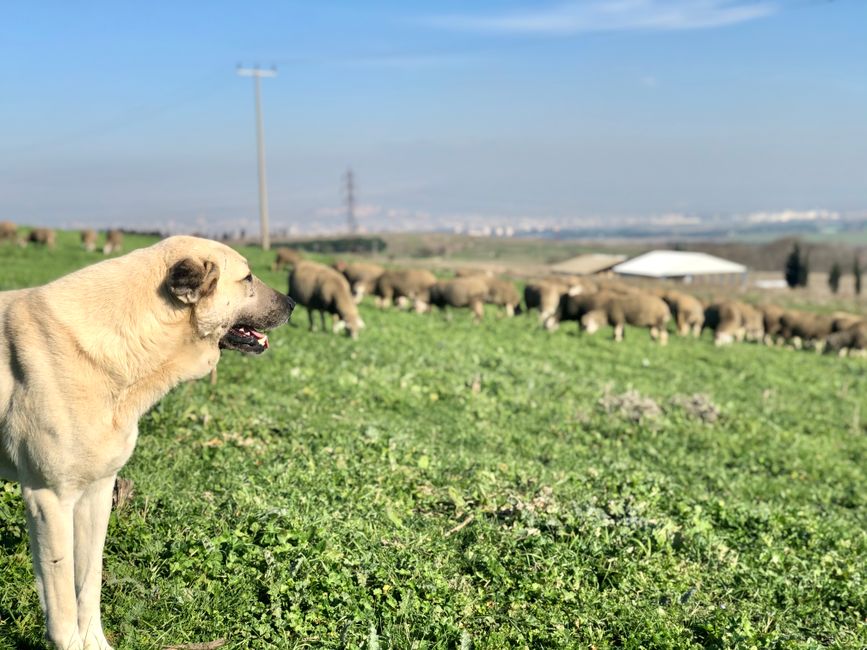
On farms and ranches, livestock must acclimate to colder nights and damp pastures. Fall in the Cascade region often brings the end of grazing season, meaning herds may need to transition to stored feeds, which can affect nutrition and body condition. Wet, muddy ground increases the risk of foot problems, mastitis in dairy animals, and respiratory diseases, particularly in youngstock or animals with compromised immune systems. Additionally, the onset of shorter daylight hours can impact reproductive cycles and milk production in some species.
Understanding these local climatic realities helps you anticipate what your animals will need to stay healthy and productive through October and beyond.
Veterinary Treatment and Management for Fall Weather Concerns
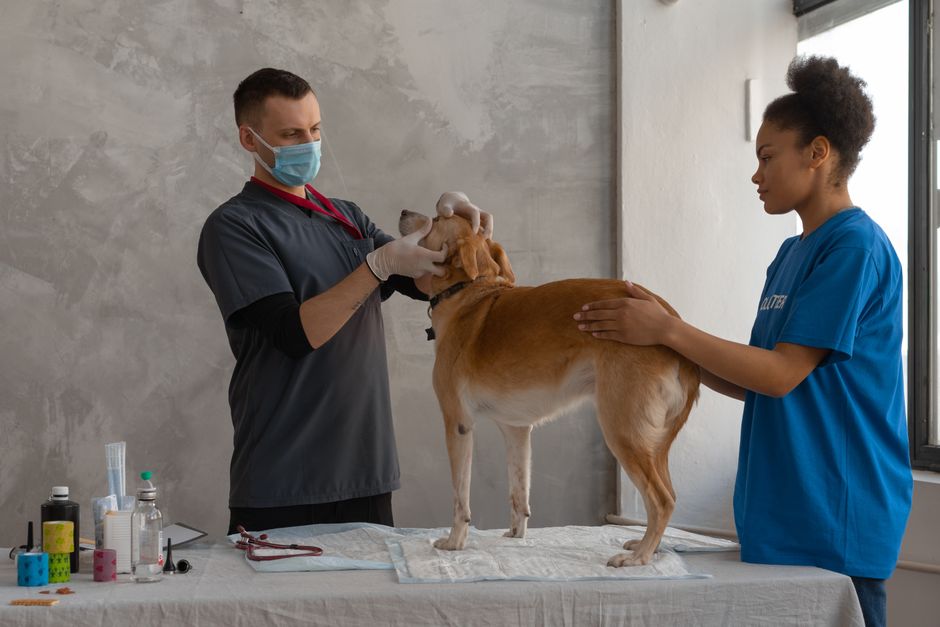
When you bring your pets or livestock to our practice for a seasonal evaluation, our veterinarians focus on identifying and addressing both acute and chronic issues that can worsen as the weather changes. For dogs and cats, management often involves assessing body condition, checking for signs of arthritis or dental disease, and updating preventive care measures such as vaccinations and parasite control. If your pet is showing discomfort or stiffness, treatment options may include adjustments to pain management plans, the use of laser therapy, or recommendations for joint supplements. Our clinic also provides dental procedures, which are especially important for older pets whose oral health can significantly impact their overall wellbeing during stressful seasonal transitions.
For livestock producers, our team conducts herd health checks to evaluate body condition scores, review nutrition plans, and assess facilities for adequate shelter and drainage. If animals are found to be underweight, we may recommend dietary adjustments or supplementation to ensure they have the reserves needed for colder weather. Preventive treatments for internal and external parasites are also crucial in the fall, as parasite burdens can increase when animals are crowded into smaller areas or fed stored forages. When respiratory disease is a concern, especially in weaned calves or lambs, our veterinarians may advise vaccination protocols or targeted treatments to prevent outbreaks.
In both companion and production settings, prompt attention to health concerns can prevent complications and reduce the risk of disease spread as animals spend more time indoors or in close quarters.
Home and Farm Strategies for Preventing Cold-Weather Problems
Preparation is the key to keeping animals healthy and comfortable as Cascade’s October weather sets in. For pet owners, it’s important to provide warm, draft-free sleeping areas indoors and ensure that bedding is clean and dry. Outdoor pets should have access to insulated shelters, ideally elevated to avoid moisture accumulation, with bedding that can be replaced or dried as needed. Regular grooming helps maintain a healthy coat, which is a pet’s natural insulation against the cold. When walking dogs, consider using jackets or booties for breeds with short coats or older animals with mobility issues.
On the farm, producers should inspect barns, sheds, and windbreaks to confirm they are in good repair and provide sufficient shelter for the entire herd. Bedding should be deep and dry, with frequent cleaning to minimize moisture buildup. Water sources must be checked daily to prevent freezing, and feed bunks should remain accessible and free from mud. Adjusting nutrition is often necessary; animals require more energy to maintain body temperature, so consult with your veterinarian about increasing caloric intake or supplementing with high-quality forages. Additionally, maintaining a regular vaccination and parasite control schedule for all animals is essential; our team can assist with vaccination services and parasite management protocols tailored to your operation.
For both pets and livestock, now is a great time to schedule a comprehensive physical exam to catch any developing issues before the weather turns even colder.
When to Seek Veterinary Care for Weather-Related Issues
Knowing when to contact your veterinarian can make all the difference in keeping your animals safe during fall’s unpredictable weather. Pet owners should reach out if their dog or cat shows signs of persistent lethargy, significant changes in appetite or drinking habits, coughing, difficulty breathing, or visible discomfort when moving. For livestock producers, reasons to schedule a farm visit include animals that are losing weight despite adequate feed, outbreaks of coughing or nasal discharge in the herd, evidence of lameness or foot rot, or any unexplained drop in production or reproductive performance.
Prompt veterinary attention is especially important for vulnerable animals, such as senior pets, youngstock, or those with chronic conditions. At Cascade Veterinary Clinic, our veterinarians are ready to support you with thorough diagnostics, tailored treatment plans, and practical advice to address seasonal health challenges. If you’re unsure whether a situation warrants immediate attention, don’t hesitate to call our team; we’re happy to guide you on the next steps.
Supporting Animal Health in Cascade: Our Commitment to Your Pets and Livestock
Preparing for Cascade’s chilly October weather means taking proactive steps to safeguard the wellbeing of every animal in your care, whether they share your home or your pasture. By recognizing early warning signs of cold stress, understanding the unique challenges of our local climate, and working with our experienced veterinary team, you can ensure a smooth transition into the colder months ahead.
If you’re searching for a veterinarian near me who understands the needs of both pets and livestock, Cascade Veterinary Clinic stands ready to help. Our team of veterinarians offers comprehensive exams, tailored herd health advice, and preventative care that keeps animals thriving through Idaho’s seasonal changes. To schedule an appointment or request a consultation, call us at (208) 382-4590 or visit our Cascade location. For more information about preventive care, explore our services for semi-annual comprehensive exams, pet vaccinations, and comprehensive physical exams on our website.
Let us partner with you this season to keep your animals safe, healthy, and ready for whatever Cascade’s October brings. Always remember that your veterinarian is your best resource for advice tailored to your specific situation—don’t hesitate to reach out for help or guidance.