Winter Barn Safety Tips for Livestock in Cascade, Idaho
Winter Barn Safety Tips for Livestock in Cascade, Idaho
As winter sets in across Cascade, Idaho, livestock producers know that November brings more than just a chill in the air. Freezing temperatures, snow accumulation, and icy conditions can all put your cattle, sheep, or goats at risk for injury, illness, and stress. At Cascade Veterinary Clinic, located conveniently at 935 Main Street, Cascade, ID 83611, our veterinary team understands the unique challenges that winter weather poses for local operations. Whether you manage a small family herd or a large commercial operation, keeping your livestock safe and healthy through the harshest months is crucial for animal welfare and your bottom line.
In this comprehensive guide, we’ll explore essential barn safety tips tailored for Cascade’s winter climate. You’ll learn how to identify common cold-weather risks, recognize early signs of trouble among your livestock, and implement practical shelter upgrades to help prevent injury and disease. We’ll also share guidance on when to seek veterinary support and how our team can help you safeguard your herd this season. By taking a proactive approach, you can ensure your animals remain comfortable, productive, and healthy throughout the winter.
Recognizing Winter Risks for Your Herd: What to Watch For
The onset of winter often brings a range of challenges for livestock, many of which can be subtle at first. Early identification of problems is vital to preventing more serious complications down the road. Producers should remain vigilant for signs like shivering, huddling, reluctance to move, or changes in appetite; these can all indicate cold stress or the beginnings of illness. Additionally, look for any evidence of lameness, slipping, or injuries that may result from icy barn floors or frozen mud.
Other warning signs to monitor include coughing, nasal discharge, or labored breathing, which might signal respiratory issues that are more common during damp, cold weather. Livestock that separate themselves from the group, appear lethargic, or have abnormal manure can also be displaying early symptoms of health problems. In sheep and goats, hypothermia can progress quickly, so any animal that is slow to rise or shows a drop in body temperature requires immediate attention.
Producers should also check for issues related to feed and water access. Frozen troughs or blockages can mean some animals are not getting the hydration they need, leading to dehydration or impaction. Pay close attention to young, old, or thin animals as they are often the first to be affected by cold stress and are at higher risk for complications during winter.
Understanding the Causes: Why Winter Poses Unique Challenges
Winter in Cascade, Idaho, is marked by low temperatures, snowfall, and frequent freeze-thaw cycles that can turn barnyards into hazardous zones. These environmental factors combine to create several risks for livestock. Cold stress is a primary concern; when animals expend more energy to stay warm, they can lose body condition and become susceptible to disease. Wet, drafty, or poorly insulated barns can make matters worse, increasing heat loss and exposing animals to chilling winds.
Ice and snow accumulation around barns, gates, and feeding areas create slipping hazards and can contribute to traumatic injuries. Inadequate ventilation, while sometimes intended to keep out the cold, can lead to a buildup of moisture and ammonia, raising the risk of respiratory disease. Water sources often freeze, which may limit access and lead to dehydration or discourage normal feed intake.
Nutrition also plays a significant role in winter health. Livestock require more calories to maintain body heat, and if feed quality drops or access is impeded by snow or ice, animals may lose weight rapidly. For sheep and goats, cold and damp conditions can predispose to foot rot or other hoof issues, while cattle are at risk for frostbite in extremities such as teats, ears, and tails.
Practical Winter Barn Safety Upgrades and Animal Management
Ensuring your barn and facilities are winter-ready can make a significant difference in livestock health and safety. Evaluate your barn’s insulation and wind protection before winter arrives. Sealing drafts, repairing broken windows, and ensuring doors close properly can reduce heat loss. However, it’s important to maintain some ventilation to minimize moisture buildup and prevent respiratory disease; adjustable vents or open ridgelines often provide a good balance.
Address footing by adding gravel, sand, or straw to high-traffic areas where ice or mud may accumulate. Regularly remove snow and ice from pathways leading to waterers, feed bunks, and barn entries to help prevent slips and injuries. Check that all gates and latches function smoothly, as frozen hardware can delay your response in an emergency.
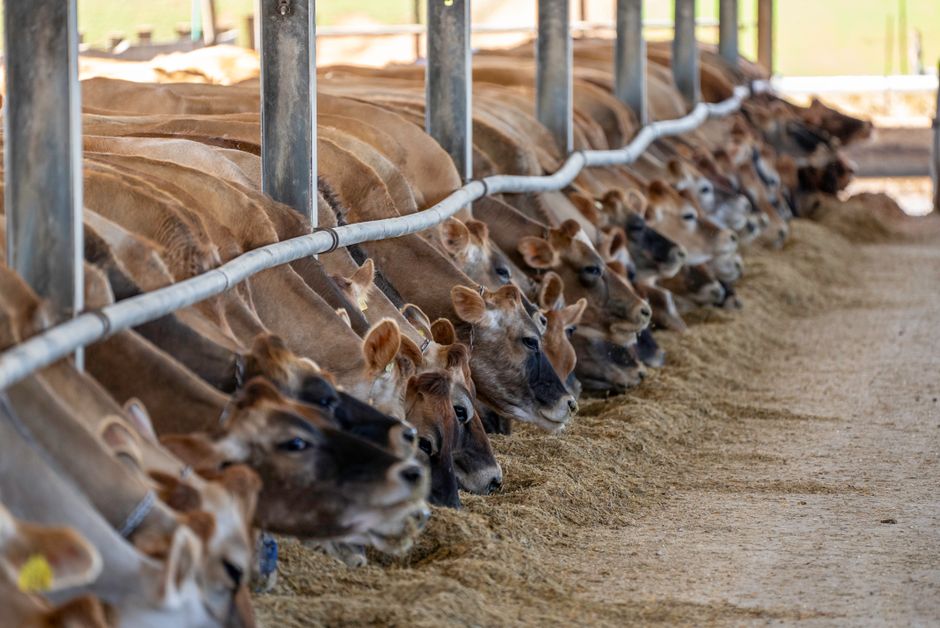
Water access is critical; heated waterers or frequent manual breaking of ice are necessary to ensure livestock stay hydrated. Monitor tanks and troughs several times a day. When it comes to feeding, increase forage and energy-rich feeds as required, since animals burn more calories to maintain body temperature. Ensure all animals have adequate space at the feed bunk to prevent crowding and allow lower-ranking individuals a chance to eat.
For sheep and goats, provide raised platforms or deep bedding in barns to keep hooves dry and minimize the risk of foot rot. Cattle benefit from bedding such as straw or wood shavings that insulate against the frozen ground. Inspect barns and shelters daily for sharp edges, protruding nails, or damaged boards that could injure livestock, especially when animals spend more time indoors during winter months.
Prevention Strategies for a Healthier, Safer Herd
A proactive approach is key to minimizing winter-related injuries and illness. Start by conducting a thorough barn and facility inspection each fall, addressing any repairs before the first snow. Develop a plan for snow removal and ice management, including tools and supplies you might need on hand, such as salt or sand. Prepare an emergency backup plan for power outages that could affect waterers or barn heating systems.
Establish a schedule for monitoring body condition scores throughout winter; this helps ensure animals are maintaining appropriate weight and identifies nutritional adjustments that may be needed. Group animals by age or condition so that vulnerable individuals receive extra attention and are not outcompeted at the bunk. Vaccinate and deworm as recommended by your veterinary team, as healthy animals are more resilient to winter stressors.
Producers should also keep detailed records of any incidents, injuries, or illnesses that occur over the season. This information can help identify problem areas in facilities or management that may need further attention before the next winter. By maintaining a close partnership with your veterinary team, you can develop a customized winter wellness plan tailored to your operation’s specific needs.
When to Seek Veterinary Care for Winter-Related Issues
No matter how proactive your management, winter can still bring unexpected challenges. It’s important to recognize when professional veterinary care is needed to protect both animal health and productivity. Contact your veterinary team promptly if you notice persistent coughing, labored breathing, or unexplained fevers among your livestock, as these can indicate respiratory infections that require timely intervention.
Seek immediate care for animals with signs of severe cold stress such as inability to rise, shivering that does not resolve, or evidence of frostbite. Lameness, injuries from falls, or wounds should be evaluated quickly to prevent complications like infection or chronic mobility issues. If you experience issues with multiple animals, such as diarrhea, sudden weight loss, or increased mortality, a herd health assessment may be needed to identify underlying causes.
Producers in Cascade and surrounding communities can rely on the veterinary team at Cascade Veterinary Clinic for support in diagnosing, treating, and preventing winter-related health concerns. During your visit, our veterinarians can offer guidance on nutrition, facility upgrades, vaccination schedules, and emergency preparedness to help you get through the season with a healthy, productive herd.
Supporting Your Operation All Winter: Cascade Veterinary Clinic Is Here to Help
A safe, well-prepared barn is the foundation of a successful winter for your cattle, sheep, or goats. By staying vigilant for early signs of trouble, understanding the unique winter challenges in Cascade, and implementing proven prevention strategies, you can keep your livestock comfortable and healthy all season long. Remember, timely veterinary care can make all the difference in preventing small issues from becoming costly problems.
If you have concerns about your barn setup, animal health, or need help developing a winter management plan, schedule an appointment with our veterinary team at Cascade Veterinary Clinic. We are proud to support livestock producers throughout Cascade and surrounding communities with comprehensive care, advanced diagnostics, and practical farm solutions tailored to your operation’s needs. When searching for a veterinarian near me who understands the unique demands of winter in Idaho, know that we are here to help.
To schedule a consultation or speak with our veterinarians about winter barn safety for your herd, call (208) 382-8691 or visit us at 935 Main Street, Cascade, ID 83611. Let Cascade Veterinary Clinic be your trusted partner in livestock health and safety this winter and beyond.